
Canadian hotel • Scandinavian restraint
LeaDnexia Hotel: a controlled, calm stay built around quiet routines.
This site provides operational details: room layouts, comfort features, service hours, access notes, and policy summaries. Language is factual; content focuses on decisions a guest typically needs to make.
To book a room, go to the contacts page
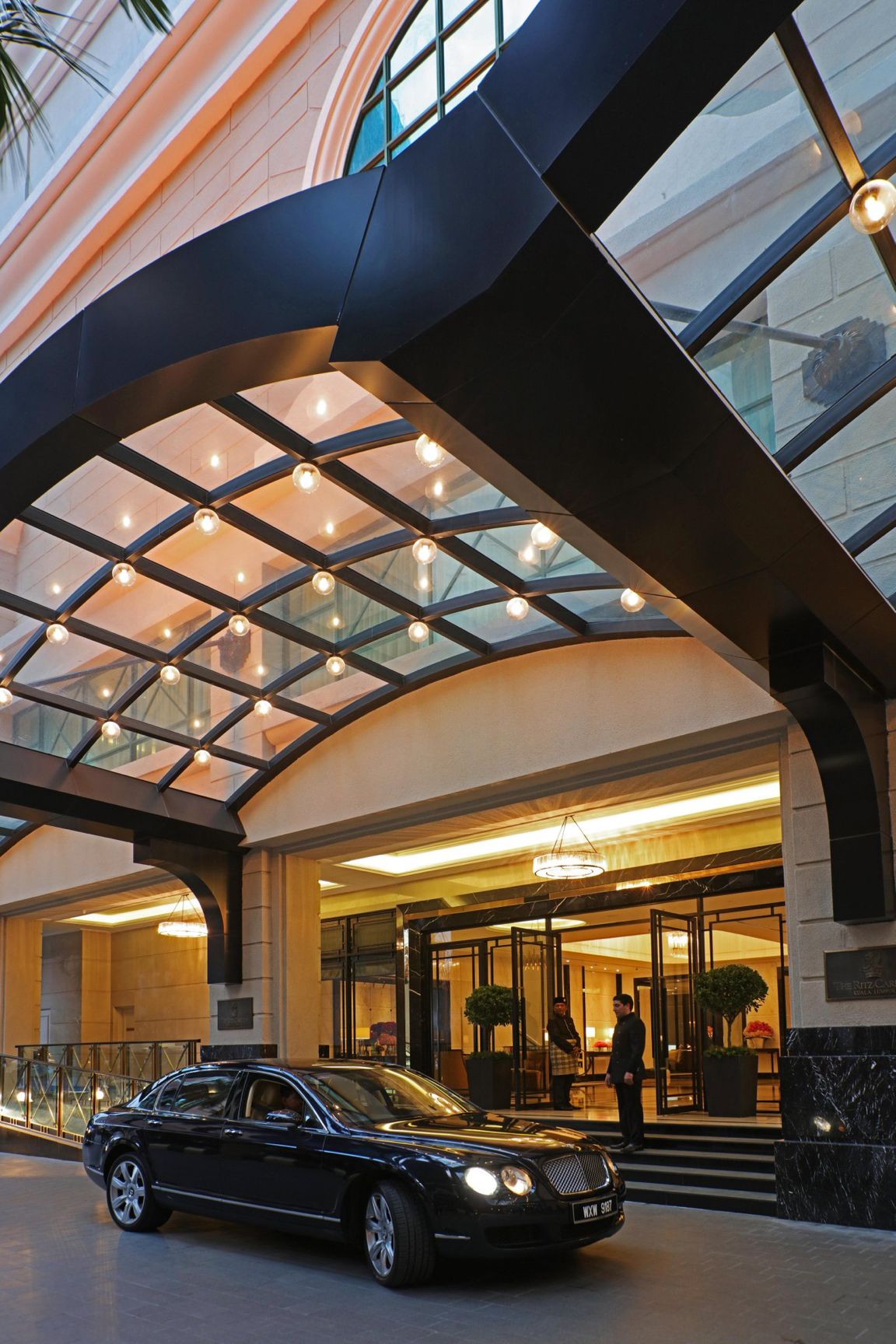
Intro
What this hotel is designed to do
Predictability
A guest should be able to predict noise levels, light levels, temperature control options, bedding choices, and the location of practical services. This page summarizes; each internal page details.
- Room-by-room comfort specs and layout notes.
- Clear service boundaries: what is available, when, and how.
- Simple navigation: fewer choices, more detail per choice.
Low-friction routines
The property is presented as a set of repeatable routines: arrival, check-in, room use, dining, wellness, departures. Information is grouped accordingly.
- Arrival guidance and parking decisions.
- Meal times and dietary handling.
- Quiet-hour expectations and shared-space behavior.
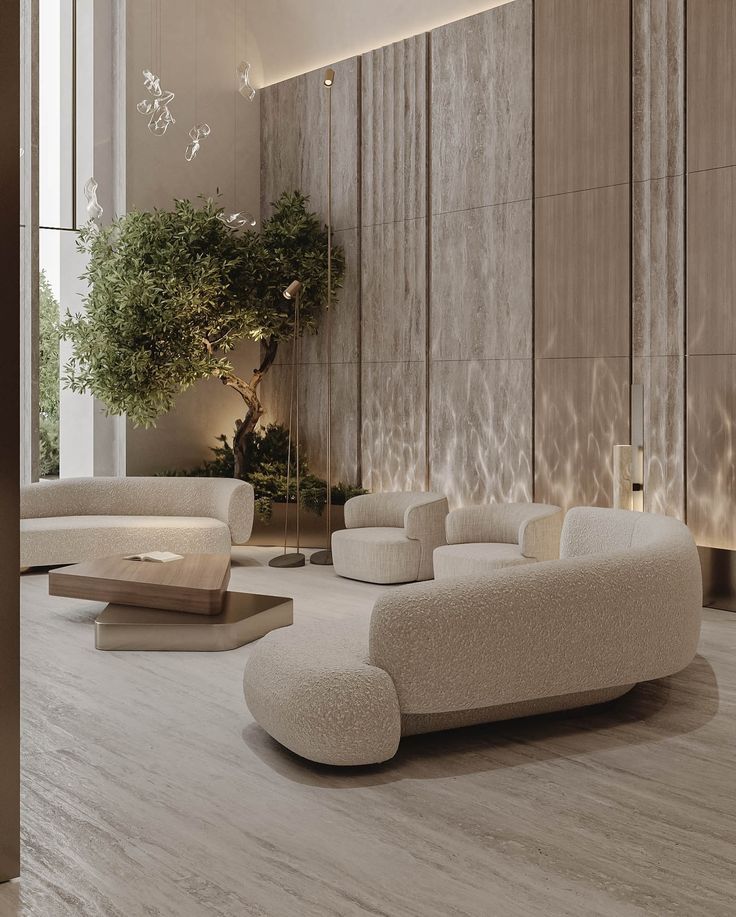

Navigation
Start with the page that matches your decision
Rooms
Layouts, bedding, work surfaces, sound notes, storage, bathroom details.
- Room categories and size ranges
- Sleep specs and light control
- Accessibility notes per type
Amenities
Wellness, gym, laundry, parking, accessibility, indoor/outdoor circulation.
- Hours and occupancy guidance
- Equipment list and rules
- Family / quiet zoning
Dining
Menus as categories, sourcing approach, allergens, service times, room delivery rules.
- Breakfast and late service windows
- Dietary handling and disclosure
- Beverage and seating notes
Contact
Contact channels, response expectations, lost items, group stays, and a practical inquiry form with a map embed.
- Phone, email, front desk hours
- Arrival questions and parking
- Policies and special requests
Policies
Published rules for privacy and cookies, with short summaries and full text pages.
Use these pages to align analytics and form handling.
Operating principles
Materials, sound, and light are treated as controllable inputs
| Domain | What is controlled | What a guest should check |
|---|---|---|
| Sound | Door seals, corridor surfaces, quiet hours, shared-space zoning. | Room orientation, family/quiet adjacency, and shared-space hours. |
| Light | Layered lighting, blackout availability, glare management. | Work lighting, sleep darkness level, morning light exposure. |
| Temperature | Room HVAC controls, bedding weights, ventilation notes. | Preferred range, sensitivity to airflow, seasonal expectations. |
| Space | Storage, seating, circulation width, bathroom usability. | Luggage volume, mobility needs, work setup requirements. |
| Service | Clear boundaries on hours, delivery limits, and escalation paths. | Arrival time, meal timing, and contact method preference. |
Pros / Cons
Trade-offs stated explicitly
Pros
- Detailed, practical information across all pages: rooms, amenities, dining, and policies are described in operational terms.
- Quiet-first approach in shared spaces with clear guidance for low-noise circulation, evening behavior, and sleep-sensitive stays.
- Predictable routines: arrival, check-in, dining windows, and amenity hours are presented in a structured way.
- Calm Scandinavian visual system aligned with the property: cool palette, low visual clutter, and consistent typography.
- Fast, stable browsing: lazy-loaded images and lightweight scripts reduce load time without sacrificing clarity.
Cons
- We prioritize clarity over marketing language; the site is intentionally restrained and avoids broad promises.
- Some services operate within defined hours to keep operations consistent; always check current windows before planning.
- Seasonal conditions in Canada may affect access, outdoor routines, and arrival timing; plan with appropriate buffers.
- Certain preferences (quiet placement, accessibility specifics) depend on availability and should be requested in advance.