
Rooms
Room categories with explicit specifications.
Use this page to choose based on layout, sleep environment, work setup, and sound exposure. Replace placeholder dimensions with measured values from your floor plans.
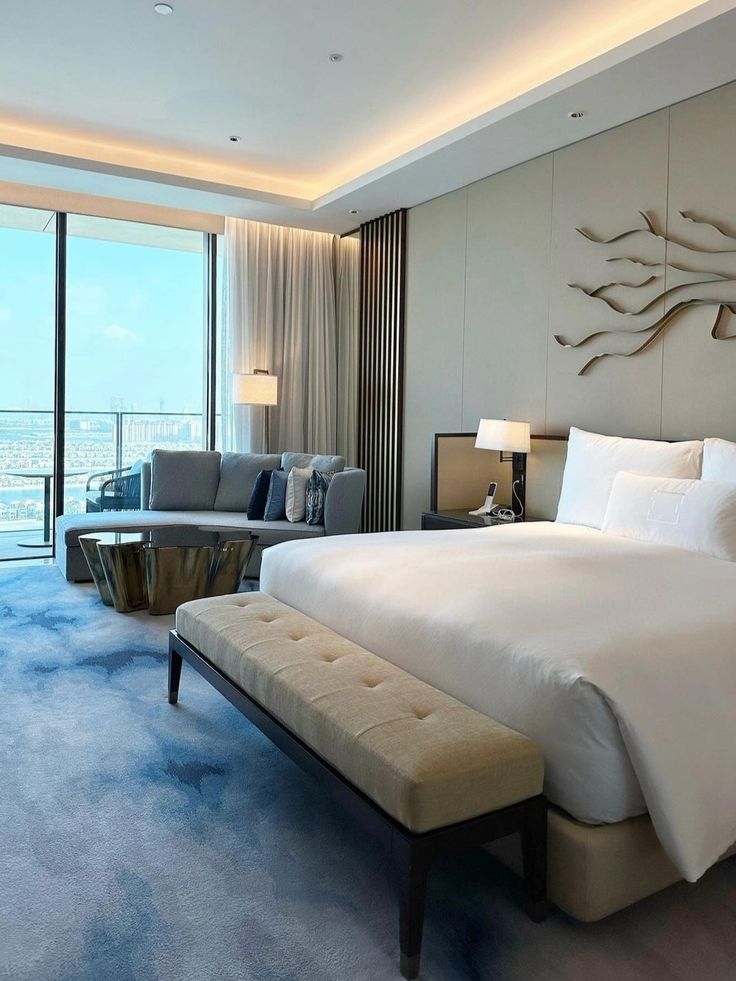
Categories
Room types
Standard Queen
Compact, predictable layout. Suitable for single or two light travelers.
- Typical size: 18–23 m² (placeholder)
- Bed: 1× queen; choice of pillow density
- Desk: compact; task light; two power points within reach
- Bathroom: walk-in shower (variant) or tub (variant)
Deluxe King
More circulation space; better separation between sleep and work zones.
- Typical size: 24–30 m² (placeholder)
- Bed: 1× king; layered bedding weights
- Desk: wider surface; cable management channel
- Seating: one lounge chair; small side table
Quiet Corner Suite
Corner orientation; reduced corridor exposure; additional storage.
- Typical size: 34–44 m² (placeholder)
- Sleep zone + sitting zone separation
- Optional sofabed (variant) with explicit rules
- Bathroom: larger counter + closed storage
Family Twin (controlled)
Designed for families who still prefer lower stimulation. The core goal is to keep storage and circulation predictable even with more people in the room.
- Beds: 2× twin (or twin + trundle variant).
- Storage: closed wardrobes; separate shoe area.
- Rules: quiet hours apply; hallway noise is minimized but not eliminated.
- Recommended: request away from elevators and ice machines.
Accessible King
Template checklist for compliance-oriented room description.
- Step-free route from entrance to room and bathroom (verify).
- Turning space noted at bed and in bathroom (measure).
- Shower seating / grab bars (specify exact configuration).
- Visual alarm/notification support (if present, list).
Replace with property-verified accessibility statement.
Specifications
What is in the room
Sleep and light control
- Blackout system: layered curtains designed to reduce morning glare and corridor light spill.
- Bedside lighting: low-glare fixtures with separate left/right control for independent use.
- Reading light: directional beam to keep ambient brightness low during late hours.
- Mattress comfort: medium-support baseline; additional pillow options available on request.
- Ventilation behavior: simple, quiet operation with clearly labeled settings for predictable airflow.
Work setup
- Dedicated desk area with a stable surface suitable for a laptop and writing space.
- Chair designed for longer sitting periods; consistent seating height across room categories.
- Power access placed for practical use at the desk and near the bed.
- Wi-Fi coverage designed for in-room work, video calls, and streaming under normal conditions.
- Task lighting positioned to reduce screen reflections and maintain calm ambient light.
Bathroom details
- Bathroom layout varies by category; shower configuration is stated on the room type page.
- Ventilation is designed to clear humidity efficiently without excessive noise.
- Closed storage for toiletries to keep the counter surface visually clean.
- Consistent towel set with replacement available on request during the stay.
- Non-slip baseline surfaces and clear separation of wet/dry zones where possible.
Storage and circulation
- Wardrobe storage with hanging space and shelves for folded items.
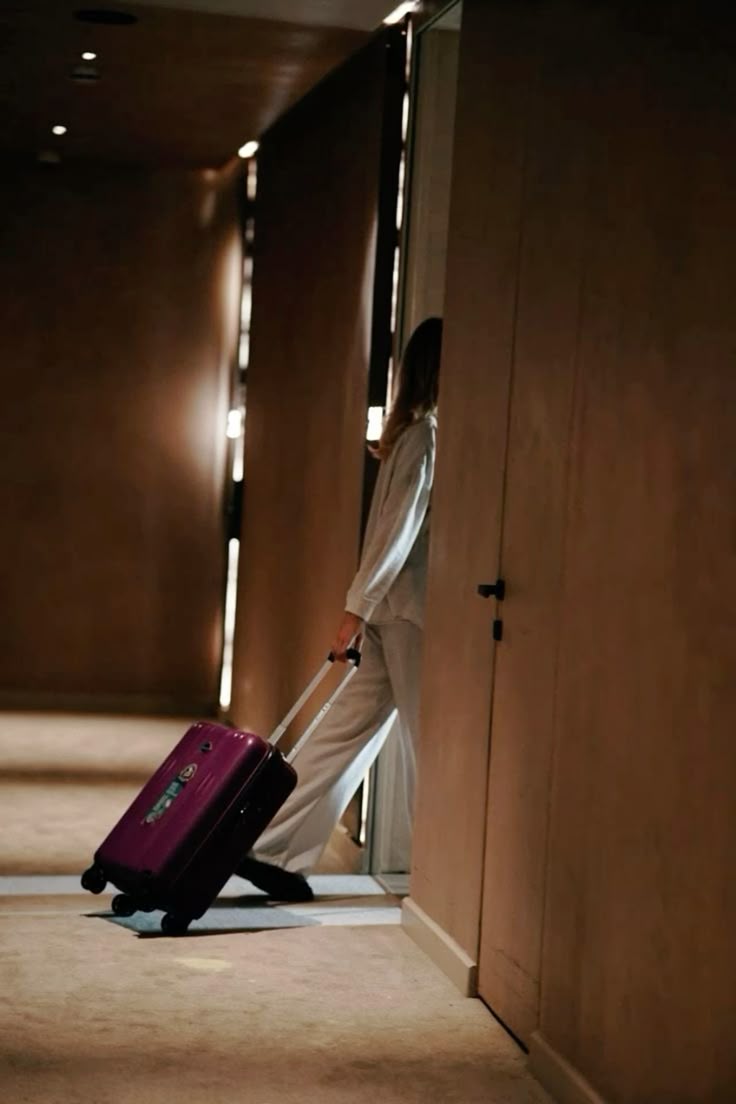
- Luggage placement area positioned to keep walk paths unobstructed.
- Entry zone with hooks and a defined space for shoes and outerwear.
- Circulation designed for simple movement between bed, desk, and bathroom without tight turns.
- In-room cooling storage (mini-fridge or equivalent) available where listed by room category.
Sound
Quiet-first policy
Quiet hours
Template: replace hours to match your actual policy.
- Quiet hours: 10:00 PM – 7:00 AM (placeholder).
- Hallway volume: keep voice volume low; no speakerphone in corridors.
- Doors: close gently; no propping doors open.
- Shared spaces: lounge zones may have separate quiet windows.
Room placement guidance
- Lowest corridor exposure: corner rooms, away from elevator banks.
- Avoid adjacency: ice machines, service closets, stairwell doors.
- Family travelers: select Family Twin; keep routines contained.
- Light sleepers: request “quiet orientation” in your message.
Placement is subject to availability; document how requests are handled.
What the hotel does
- Publishes quiet hours and enforces common-area expectations.
- Uses soft materials in corridors where possible (verify).
- Offers room placement guidance based on known noise sources.
What the guest controls
- Room selection and request specificity.
- Personal sleep tools (earplugs, white noise) if needed.
- Arrival timing and hallway traffic exposure.